

Small dogs • Dental and knee benefit checks

Choosing insurance for a small dog

Small size does not make benefit details small. Compare the services and limitations that can decide a claim.

Small black-and-tan dog standing on a clinic mat beside its owner and a veterinarian
✓ Policy-first ✓ Independent ✓ Useful checks
Direct answer
For a small dog, prioritize eligible illness-and-injury coverage, then inspect dental illness and orthopedic wording separately. Choose with the dog’s records and the offered contract, not an assumption that a smaller animal only needs a smaller limit.
Coverage

Start with the dog’s history, then two benefit gates

Cornell notes that patellar luxation, a kneecap problem, is more common in small breeds and can affect one or both knees. That is a reason to read an orthopedic provision carefully, not a diagnosis of your dog or a forecast that surgery will be needed. A veterinarian determines whether a finding needs monitoring or treatment.

If a prior examination recorded a knee abnormality or you noticed intermittent skipping, disclose the actual history. The label “hereditary coverage” does not erase earlier evidence of a problem. Ask how the insurer applies the history and related-condition wording to the specific records before awarding the offer a high score for future surgery.

Then make two separate checks: whether future eligible orthopedic care is within scope, and what dental services are covered. These cannot be collapsed into a generic “comprehensive” checkbox. A well-matched policy should pass the checks that matter for this dog without implying that every small breed has the same risks.

Quotes

Dental injury, dental illness and cleaning are separate rows

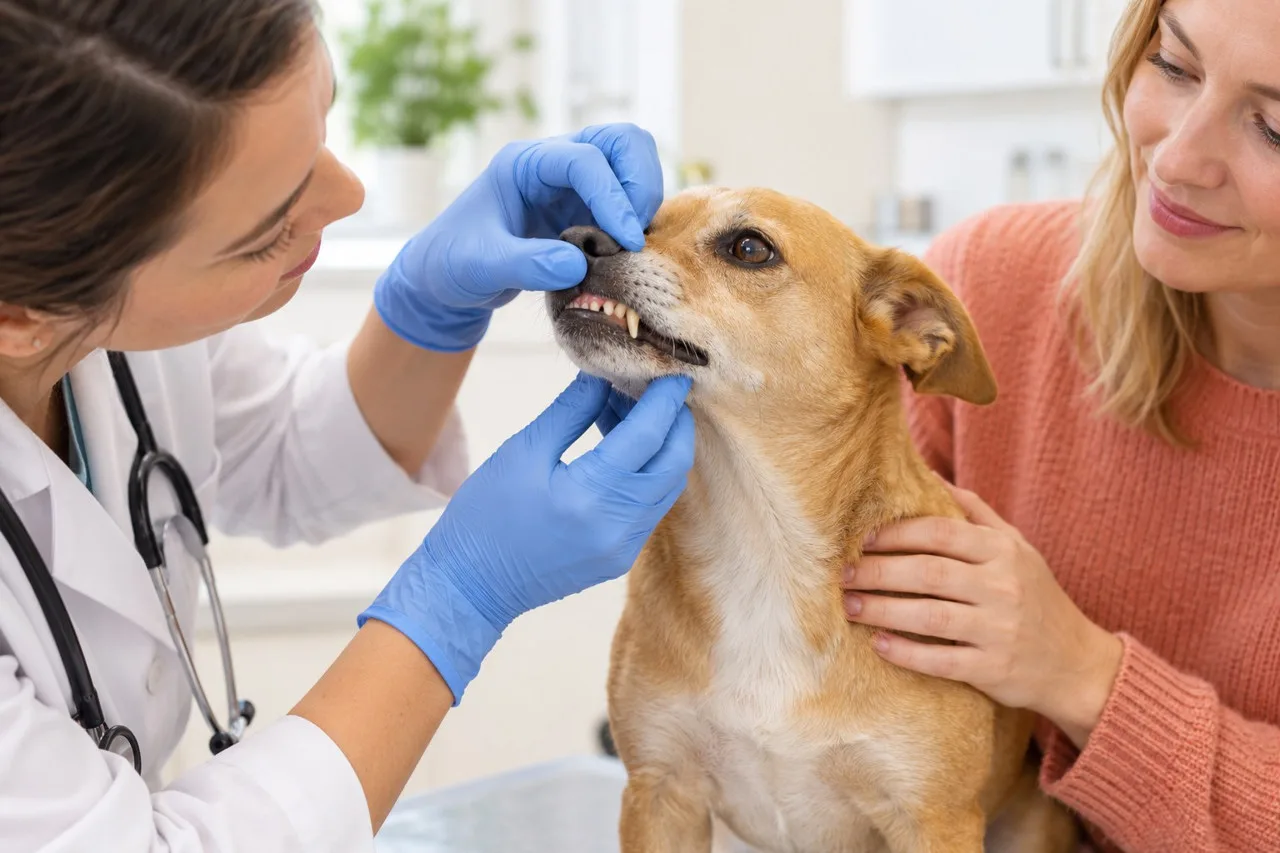
Veterinary professional gently examining a small dog’s teeth
The purpose of dental care matters: injury, illness and routine cleaning are different questions.
Dental purpose Comparison question Why a single yes/no is misleading
An accidental dental injury Is treatment for this type of injury eligible under the selected medical benefits? An injury benefit does not establish illness protection.
Disease requiring treatment Which illnesses and procedures qualify, with what limits and care requirements? An illness sublimit may apply even with a high main medical limit.
Routine cleaning Is there a preventive allowance, separate dental option or no benefit? A cleaning benefit does not automatically fund treatment of disease.

Embrace’s current overview describes dental-illness treatment up to $1,000 per policy year. Compare the actual selected benefits; do not treat either summary as a guaranteed reimbursement for a particular extraction.

The policy’s dental-care conditions deserve a separate read. Ask what examinations, cleaning recommendations or documentation are required and how a previous dental finding affects eligibility. Make health decisions with your veterinarian; an insurance allowance is not a clinical reason to delay necessary care.

Decision guide

A shortlist that can change after the dental check

Embrace can merit a closer look if its eligible dental-illness benefit and broader medical scope match your priorities. Its stated dental ceiling is a tradeoff to evaluate, not an assurance that every dental bill is paid. The base premium alone does not represent that configuration.

For either candidate, make orthopedic eligibility a separate pass/fail test. Obtain the state waiting rules, the treatment of earlier knee findings and the wording governing related or bilateral conditions. An attractive dental option cannot compensate for a material orthopedic exclusion if that is the reason you are shopping.

This is an evidence-led starting pair rather than a declaration that these are the only options or the lowest-cost companies. No quotes were collected for a common small-dog profile, and the guide does not rank customer service. Add another offer if it passes the same defined gates.

Coverage

Check a sublimit before increasing the main limit

Consider a fictional policy with a generous overall annual benefit but only $1,000 of remaining dental-illness reimbursement. If an otherwise eligible dental claim would produce $1,400 before that sublimit, the payment cannot exceed the remaining $1,000 under this hypothetical design. Raising only the overall benefit would not remove the $400 difference.

This is an illustration of a reimbursement sublimit, not a calculation of an Embrace claim or a predicted dental bill. Real deductibles, eligible charges and the order in which limits apply need to be read from the specific contract. The example isolates the one question: which limit actually controls this expense?

Build the final budget around the premium, excluded routine care, deductible, coinsurance and possible sublimits. Keep money available for the veterinarian’s initial payment. A small dog can still need specialist services, so choose a sustainable limit from the protection you want and costs you can retain, not from body weight alone.

Evidence

Sources and policy context

These public references support the consumer or veterinary context. Named insurer details were checked in official product materials; the policy offered for your pet and state determines the actual terms.

Next step

Compare Current Pet Insurance Rates

Check current options for your pet and location, then compare the policy details, exclusions, costs, and eligibility before choosing.

Compare the policy before you choose Check the actual offer, exclusions and out-of-pocket terms.
See Rate Options